
Healthy Soils Stabilize Yields
For many farmers, it is almost inconceivable that commercial crop production can be successful on soils with a soil rating of only 9 points. On Germany's 0-100 soil quality scale, a rating of 9 places a field among the poorest agricultural soils in the country. Yet this is precisely the challenge faced by Christian Hinz, Managing Director of Gut Klein Bünzow Estate, a 2,000-hectare arable farming business in northeastern Germany in the former East Germany.
The farming conditions combine low annual rainfall with exceptionally poor soils. The weakest field on the farm scores just 9 points on Germany's soil quality scale, while the farm average is around 35. By comparison, Germany's most productive arable soils can achieve ratings close to 100.
Despite these challenging conditions, Gut Klein Bünzow Estate has succeeded in stabilizing yields through strip-till cultivation, cover cropping, diverse crop rotations and a strong focus on soil health.
Rain Everywhere – Except Here
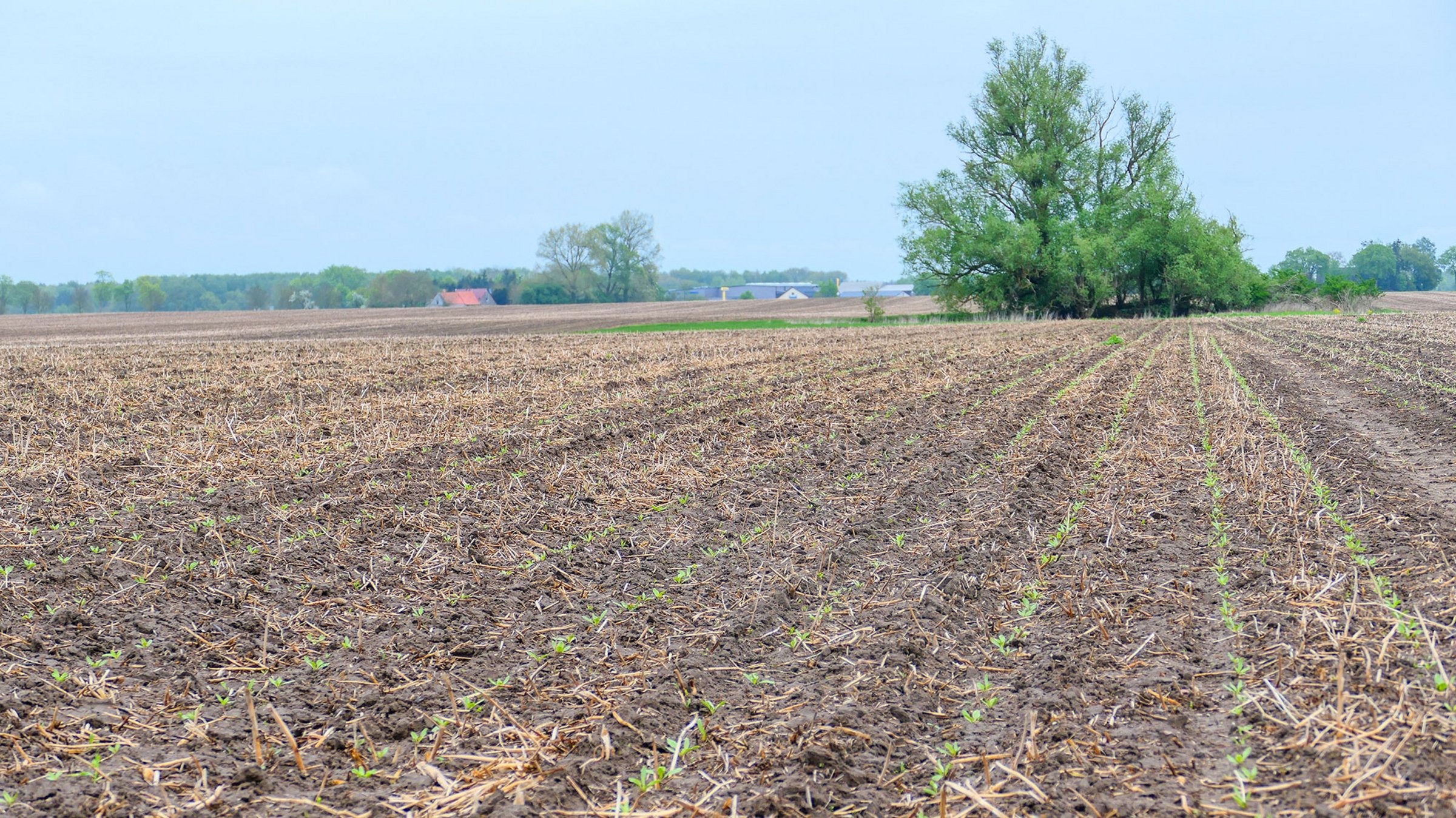
It is a windy day in early May. Across much of Germany, heavy rainfall has been forecast. Standing outside the farm office, Christian Hinz looks at a cloudy sky producing little more than a light drizzle.
"This may already be all the rain we're going to get," Hinz says.
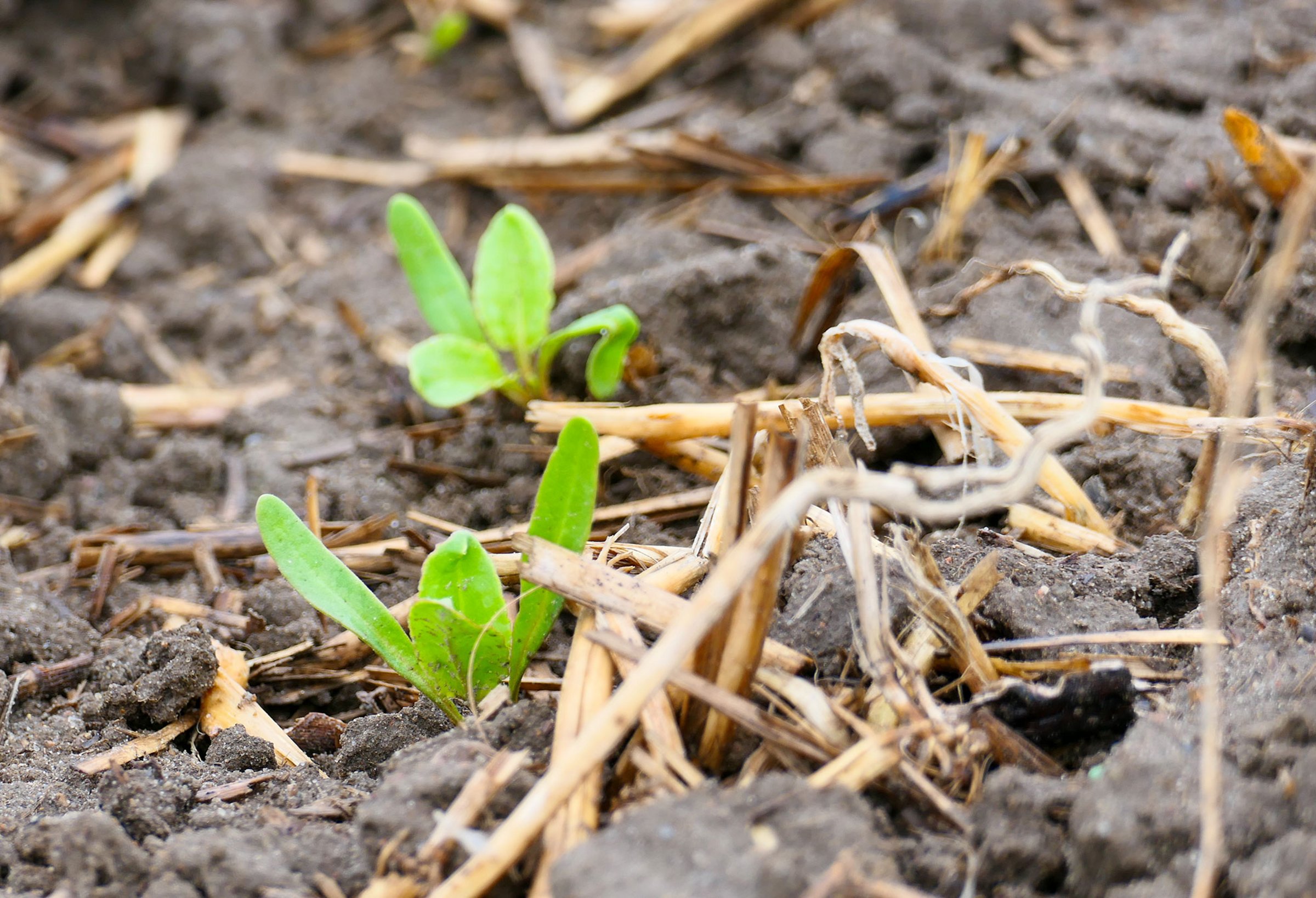
The farm could certainly use more moisture. Sugar beet sowing was completed shortly after Easter, and the young plants, like most other crops on the farm, are urgently waiting for rain. Annual precipitation typically amounts to only 500 to 550 mm, and much of it arrives at less-than-ideal times during the growing season.
After 13 years at Gut Klein Bünzow Estate, Hinz has become accustomed to working under such conditions.
The farm is located in northeastern Germany, close to the Baltic Sea coast, not far from the Polish border. Today, the business cultivates around 2,000 hectares of arable land. The farm employs ten people, including three apprentices.
Gut Klein Bünzow Estate was formerly an LPG (Landwirtschaftliche Produktionsgenossenschaft), a large agricultural cooperative typical of the former East Germany. Following German reunification, it continued as an agricultural cooperative before being privatized in 2012. The farm was acquired by an entrepreneurial family from Germany's Sauerland region.
"That was a stroke of luck," says Hinz. "The owners are genuinely interested in innovative farming methods that improve soil health, resource efficiency and long-term sustainability. New ideas are always welcomed and discussed."
The relationship works both ways. While the owners take a keen interest in the business, they also allow Hinz and his team considerable freedom in developing and implementing new concepts.
This combination of entrepreneurial support and operational independence has enabled Gut Klein Bünzow Estate to become a testing ground for innovative cultivation strategies and soil management approaches.
Convinced by the System
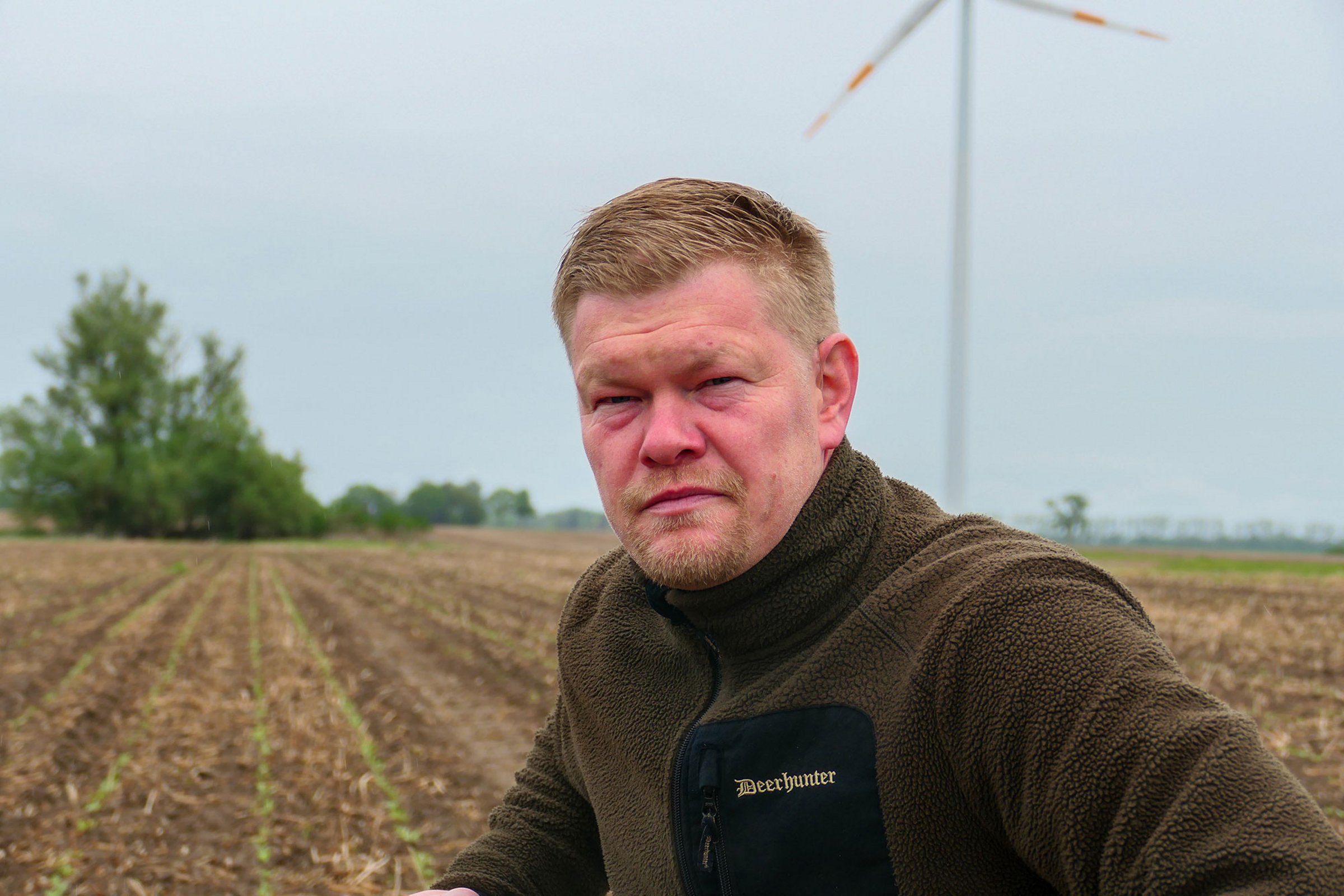
The introduction of minimum tillage and strip-till marked the beginning of a new chapter at Gut Klein Bünzow Estate. According to Hinz, however, success depends heavily on crop diversity.
"The system only works with very wide crop rotations and a large number of different crops," he explains.
Establishing the new approach took time. Some ideas worked immediately, while others did not.
The decision to rethink cultivation practices was triggered by a striking observation. During routine field operations, almost undecomposed oilseed rape straw was brought back to the surface after three years in the soil. For Hinz, this was a clear indication that biological activity in the soil had deteriorated significantly and that a different approach to soil management was needed.
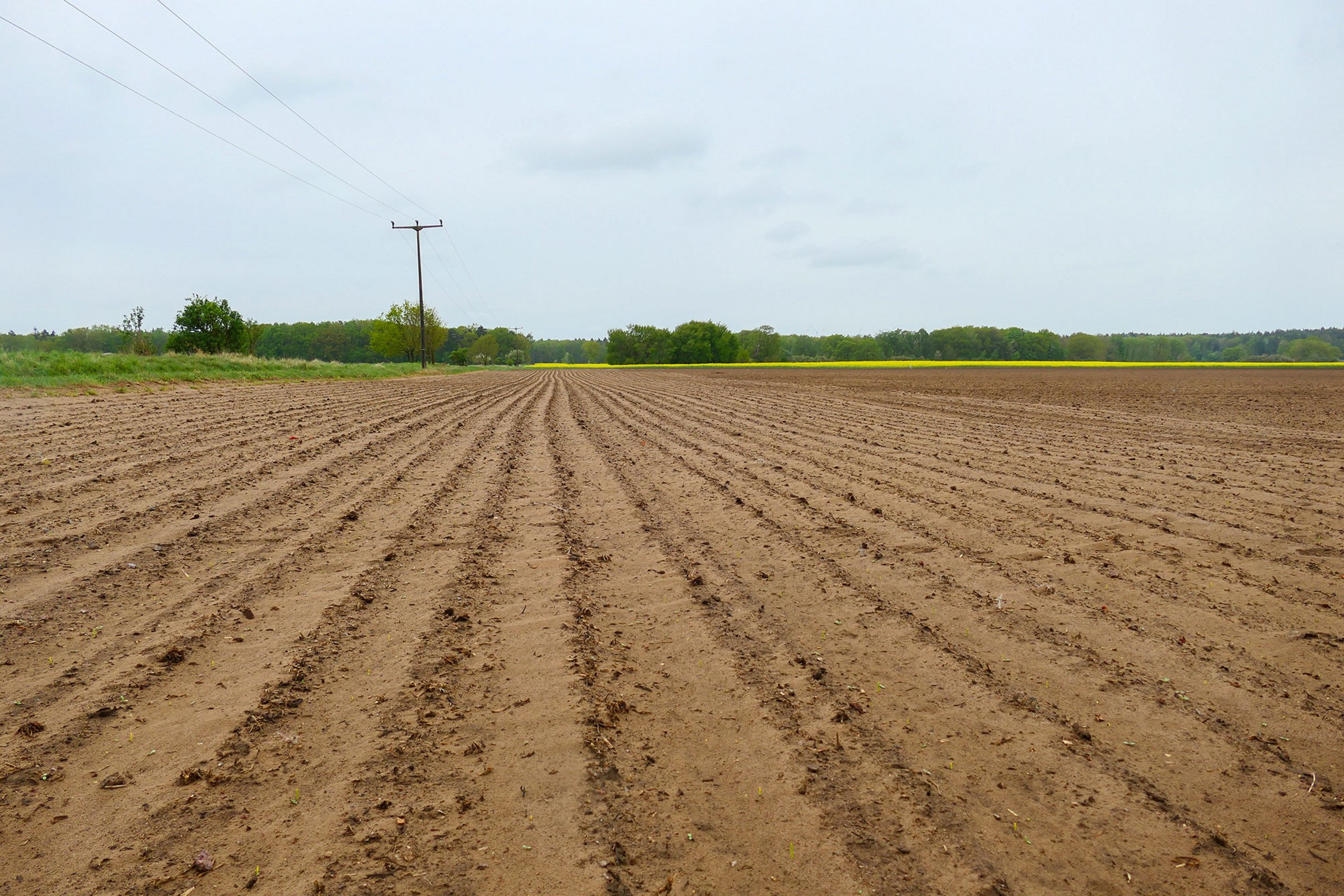
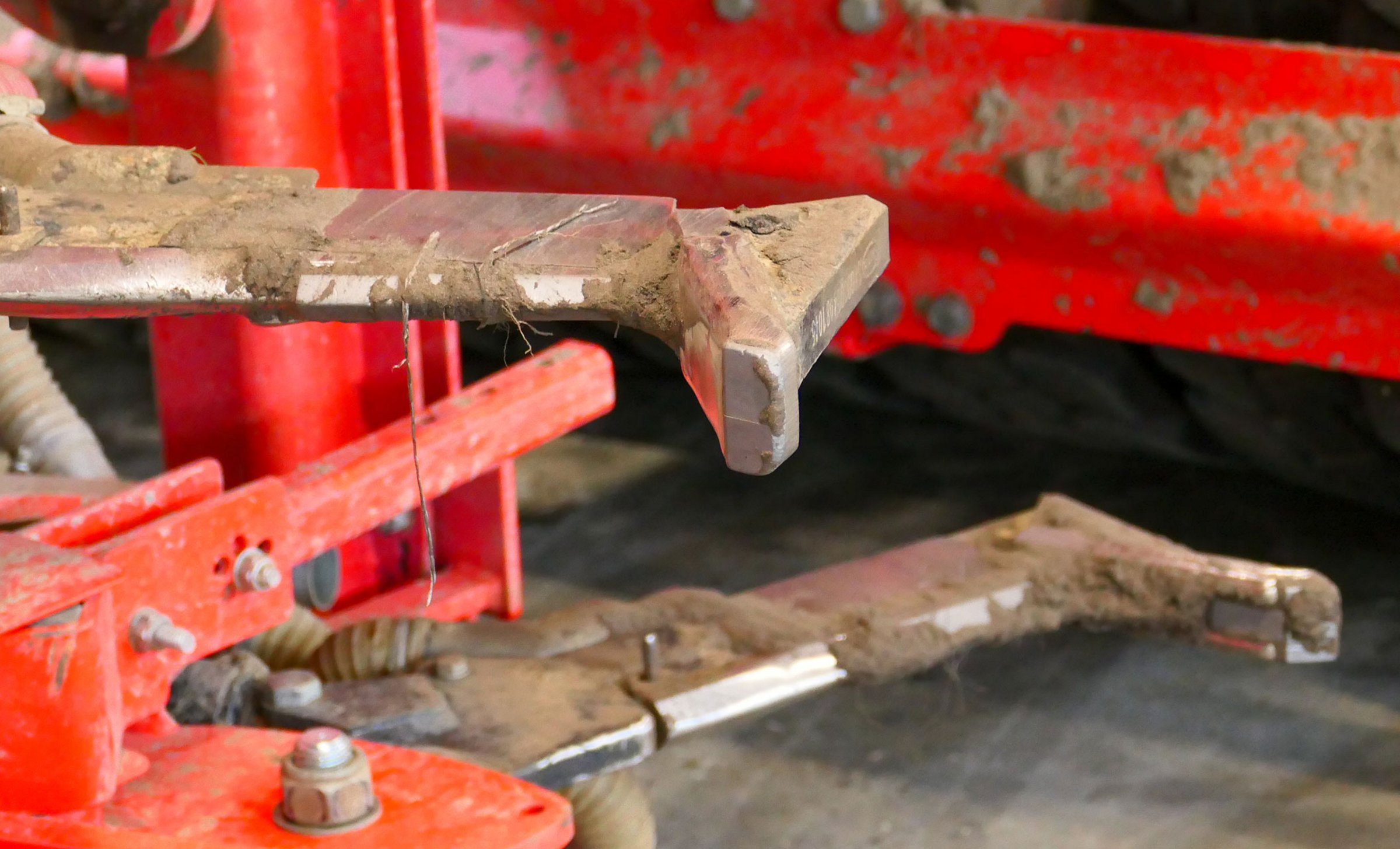
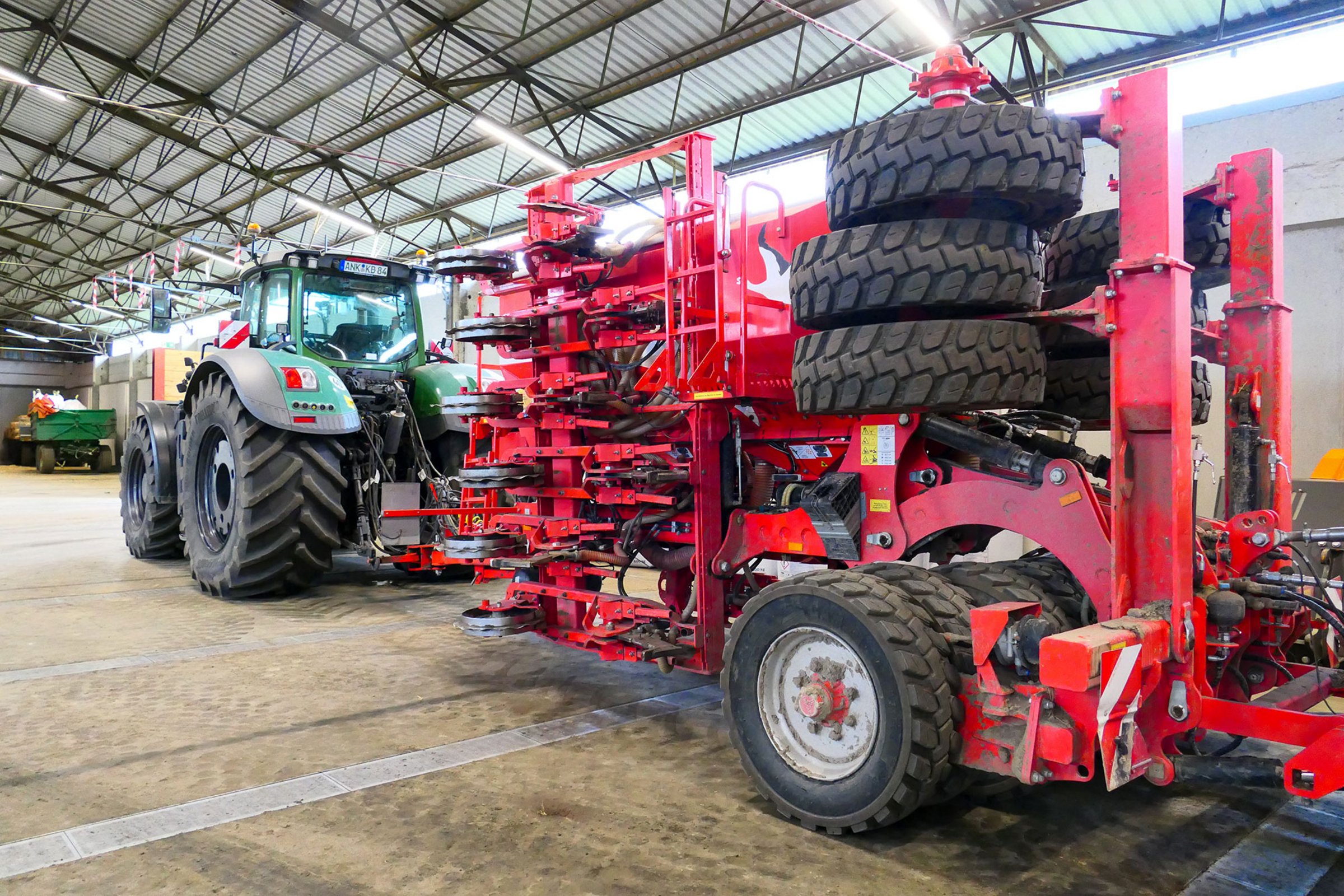
What began as a small demonstration soon expanded to 400 hectares in the first year and 1,000 hectares in the second before the farm invested in its own strip-till machine. Today, all row crops are established using strip-till at 45 cm row spacing.
"You inevitably make mistakes in the beginning. No one can tell you exactly which system will work best on your own farm. You have to learn along the way."
What lessons has he learned so far?
"One of the first things we noticed was that yields became much more stable. The extreme fluctuations, particularly the poor years, largely disappeared. We also saw a dramatic change in our seasonal workload. By eliminating much of the tillage work, autumn operations became more manageable and predictable."
The impact extends beyond labour efficiency. The improved soil structure allows machinery to access the fields under conditions that would prevent many neighbouring farms from operating.
As a result, Gut Klein Bünzow can sometimes apply organic fertilizers when others cannot.
This is particularly important because the farm has neither livestock nor its own biogas plant.
"In spring we are often able to take slurry from neighbouring farms when their storage facilities are full and field access is limited. Our soils have become significantly more trafficable."
Despite these improvements, erosion remains a challenge on some of the farm's lightest soils.
Healthy and Active Soils
Another major benefit, according to Hinz, has been the improvement in soil health.
"The soil has become much more biologically active and resilient. This supports our goal of using as little chemical crop protection and fertilizer as possible."
Reducing external inputs has become a guiding principle of the farm's management strategy. Part of this was influenced by environmental regulations. Until recently, approximately 95 percent of the farm's land was classified as a nitrate-sensitive area under German regulations. However, the approach also reflects the shared philosophy of both management and ownership.
Across all crops, the farm aims to minimize pesticide use wherever possible.
Still, Hinz remains pragmatic.
"I am convinced that crop protection products remain necessary. I am not particularly happy that we still rely on glyphosate, but under our current system we need it once per year on every field. In our region, cover crops cannot reliably be terminated by frost during an average winter."
If glyphosate were no longer available, maintaining a no-till production system would become significantly more challenging.
"Without glyphosate, reduced tillage systems would be much harder to manage under our conditions. Nevertheless, we continue searching intensively for alternative solutions."
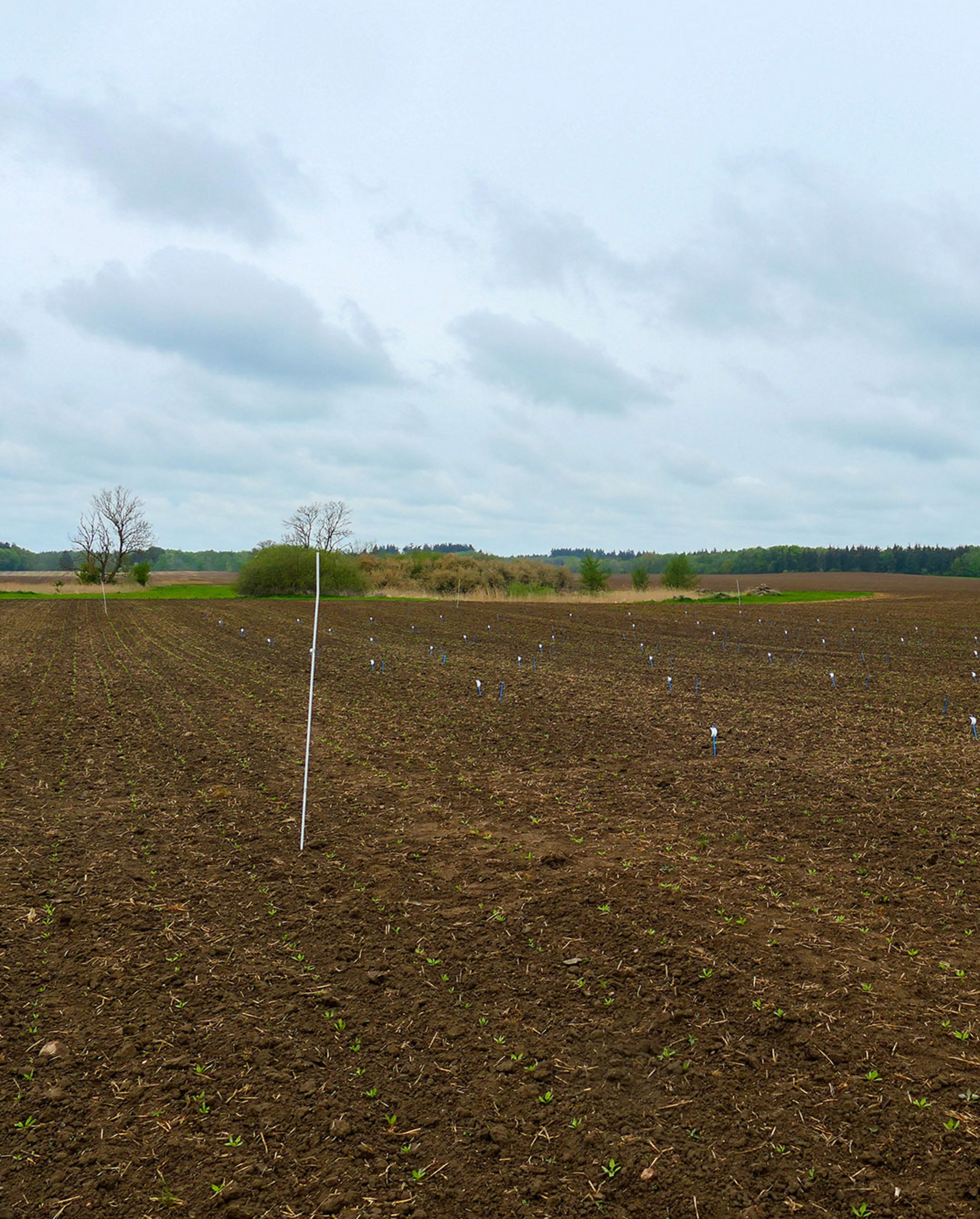
The farm is also testing drone-based weed mapping combined with spot spraying in sugar beet. Following a drone overflight, weed maps are generated and crop protection applications are targeted specifically at weed patches. According to Hinz, trials against thistles in sugar beet reduced herbicide use by around 70 percent without requiring specialised spraying equipment.
The farm currently grows approximately 360 hectares of sugar beet, making the crop a key component of its rotation and an important testing ground for new approaches to soil management and precision crop protection. Sugar beet varieties are selected according to delivery schedules and increasingly for their disease tolerance, particularly with Cercospora becoming a growing concern in the region.
Flexible Crop Rotations
Unlike many farms, Gut Klein Bünzow does not follow a fixed crop rotation.
Approximately 1,300 hectares are devoted to combinable crops. With the exception of rye harvested as whole-crop silage for a neighbouring biogas plant, cereals are grown primarily for seed production.
The farm cultivates:
- Wheat
- Barley
- Hybrid rye
- Oilseed rape
- Sugar beet (approximately 360 hectares annually)
Maize
Maintaining diversity is considered essential.
The objective is to alternate between:
- Broadleaf and cereal crops
- Winter and spring crops
- Cash crops and cover crops
Cover crops play a particularly important role.
In recent years, Hinz has moved away from some commercial cover crop mixtures and increasingly developed his own combinations.
"Last year, together with Saaten Union, we created our own mixture we called the 'Jasedower Bodenbrecher' ('Jasedow Soil Breaker'). It contains hemp, oil radish, phacelia, cress and safflower. It delivers outstanding soil improvement."
Always Looking for New Ideas
Curiosity and a willingness to experiment remain central to Hinz's management philosophy. Over the years, the farm has tested numerous alternative crops and cultivation systems.
"You have to keep looking ahead," he says.
One example was fibre hemp.
"It is an excellent crop from an agronomic perspective. Unfortunately, we struggled with the harvesting process."
More recently, the farm began experimenting with Iberian dragonhead (Dracocephalum hispanicum) as an oilseed crop after Hinz discovered it during a visit to another agricultural company.
"I saw it for the first time at Ceravis and found it fascinating. That's often how new ideas start."
Soil Health as the Foundation of Yield Stability
Looking across the farm today, Hinz sees clear evidence that the strategy is working.
Water retention has improved, soils are more biologically active and yields have become more stable. While rainfall remains beyond anyone's control, the farm has significantly improved its ability to cope with drought and weather extremes.
For Gut Klein Bünzow Estate, healthy soils are not simply an environmental objective. They form the foundation of long-term economic sustainability.
Operating on some of Germany's most challenging arable soils, the farm demonstrates that improving soil structure, increasing biological activity and reducing tillage intensity can help stabilize yields and strengthen resilience, even under highly demanding conditions.
Farm profile:
Gut Klein Bünzow GmbH & Co. KG, located in the Vorpommern-Greifswald district of northeastern Germany, farms 2,000 hectares of arable land. The business operates a diverse crop rotation with a continuous alternation between broadleaf and cereal crops as well as winter and spring crops, combined with extensive cover cropping. The cropping programme includes 1,300 hectares of combinable crops, 360 hectares of sugar beet, oilseed rape, maize and whole-crop rye silage. Soil quality ratings range from 9 to 45 points, with an average of 35. Annual rainfall amounts to 500-550 mm and is often poorly distributed throughout the growing season. Until recently, approximately 95% of the farm's land was classified as a nitrate-sensitive area under German regulations.